











Newsletter
Sign up for our newsletter and get the latest designs, inspiration, maintainance tips, special promotions and much more. By signing up you agree to our privacy policy. You can unsubscribe at any time.
At SparWindows, we understand the timeless allure and practicality of cottage windows. Our collection blends traditional charm with modern craftsmanship, offering you the perfect balance of aesthetics and functionality for your home.
Our cottage windows are meticulously crafted using premium materials, ensuring durability and longevity. Whether you're renovating a historic cottage or adding character to a modern home, our windows are designed to exceed your expectations. With a variety of styles, colors, and finishes available, finding the perfect cottage windows for your home is effortless. From classic designs to contemporary twists, our range caters to every taste and architectural aesthetic.
Explore our collection today Browse our extensive selection of cottage windows and discover the perfect fit for your home. With SparWindows, quality, craftsmanship, and style are always assured.
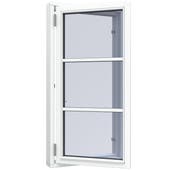
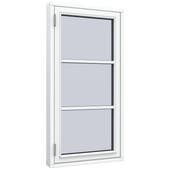
Cottage window 3 light
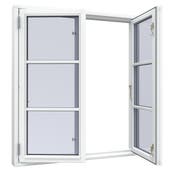
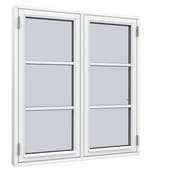
Cottage window 6 light
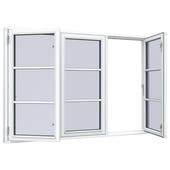
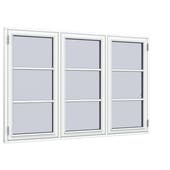
Cottage window 9 light
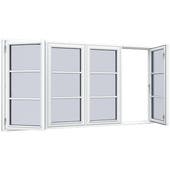
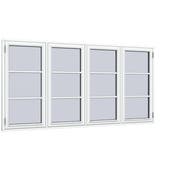
Cottage window 12 light - horizontal glazing bars
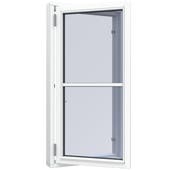
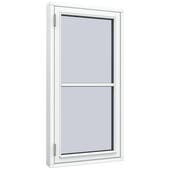
Cottage window 2 light
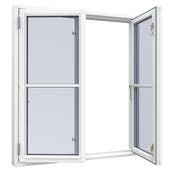
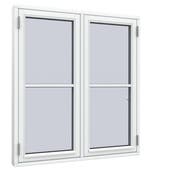
Cottage window 4 light
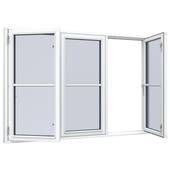
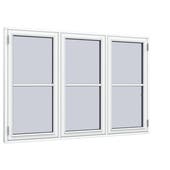
Cottage window 6 light
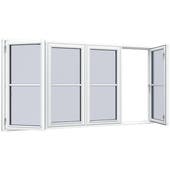
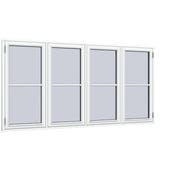
Cottage window 8 light
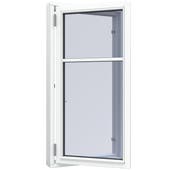
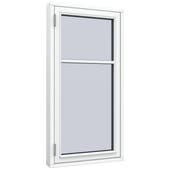
Cottage window 2 light top glazing bar
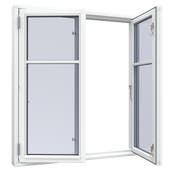
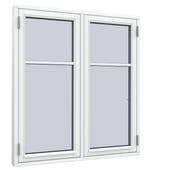
Cottage window 4 light top glazing bars
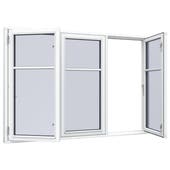
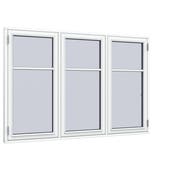
Cottage window 6 light top glazing bars
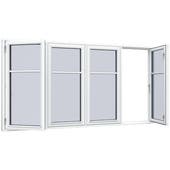
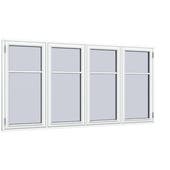
Cottage window 8 light top glazing bars
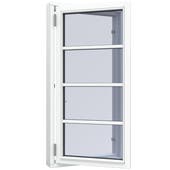
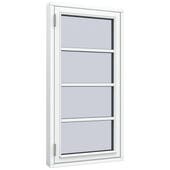
Cottage window 4 light horizontal glazing bars
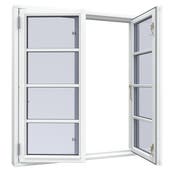
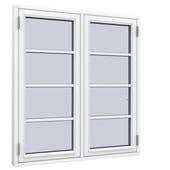
Cottage window 8 light horizontal glazing bars
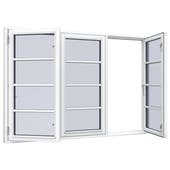
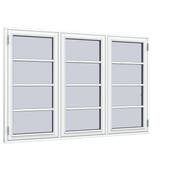
Cottage window 12 light horizontal glazing bars
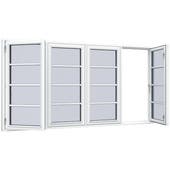
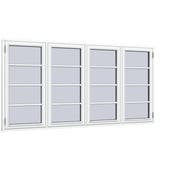
Cottage window 16 light horizontal glazing bars
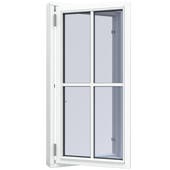
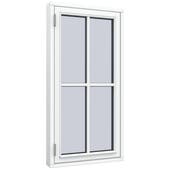
Cottage window 4 light
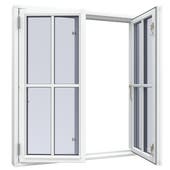
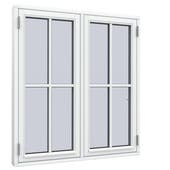
Cottage window 8 light
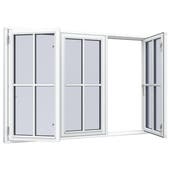
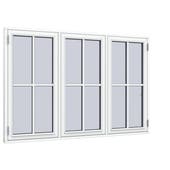
Cottage window 12 light
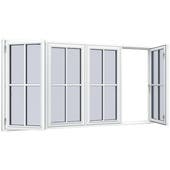
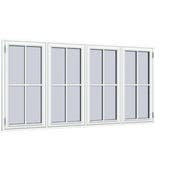
Cottage window 16 light
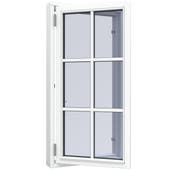
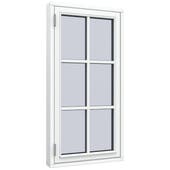
Cottage window 6 light
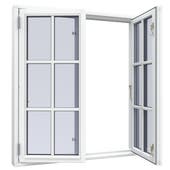
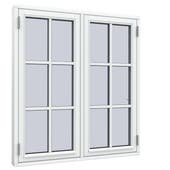
Cottage window 12 light
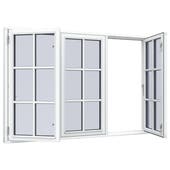
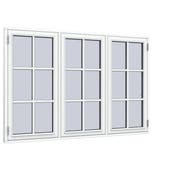
Cottage window 18 light
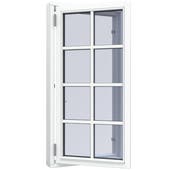
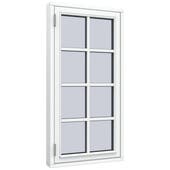
Cottage window 8 light
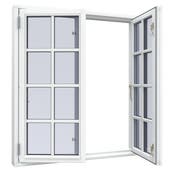
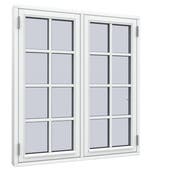
Cottage window 16 light
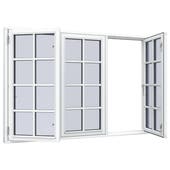
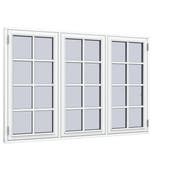
Cottage window 24 light
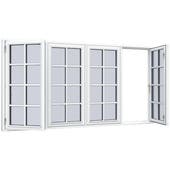
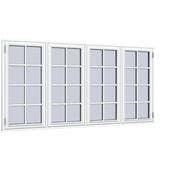
Cottage window 32 light
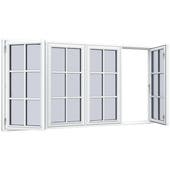
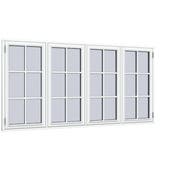
Cottage window 24 light
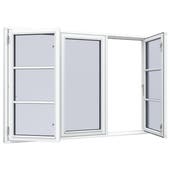
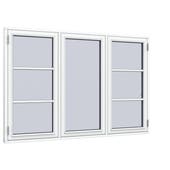
Cottage window 7 light
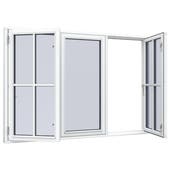
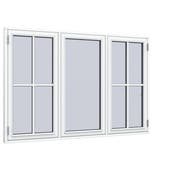
Cottage window 9 light (4-1-4)
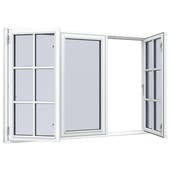
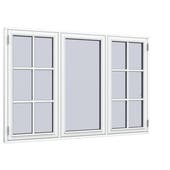
Cottage window 13 light
When you hear the expression cottage window, you can probably picture the scene immediately: a charming thatched half-timbered cottage in lush green surroundings.
The term cottage window suggests charm, romance and rural idyll, whilst at the same time referring to a type of window with multiple small panes of glass. Regardless of whether you enjoy the fast pace of life in the city or a more rural surrounding – cottage windows can represent the perfect match for your home.
How to find the price for your cottage windows
If you’re on the lookout for a cottage window, you can easily find it here. Enter the relevant dimensions and choose between various specifications – one window at a time. After the price has been calculated, you can place your order online straight away.
Create your own cottage windows – creative solutions
You can create your cottage windows precisely as you wish. You decide the number of glass panes and casements – we have everything from one casement with two panes to four casements with a total of 32 panes of glass. It is your imagination that defines the limits on how to piece together your cottage windows. Cottage windows fit perfectly with a french door or a gorgeous low-priced stable door. The possibilities are numerous and give your home a unique personal touch.
At SparWindows you’ll always find good deals on cottage windows and double side hung windows.
Read about casement windows and top guided windows – you’ll find all standard types of windows and doors at SparWindows.